
Macular degeneration is one of the most common causes of vision loss, especially in older patients. It can be frightening to have a diagnosis of age related macular degeneration (AMD), but the majority of patients retain good vision with AMD. The treatment is constantly improving and outcomes are continuing to improve as well. By understanding the symptoms and treatment of AMD, you can help improve your chances of retaining good vision.
What Is Macular Degeneration?

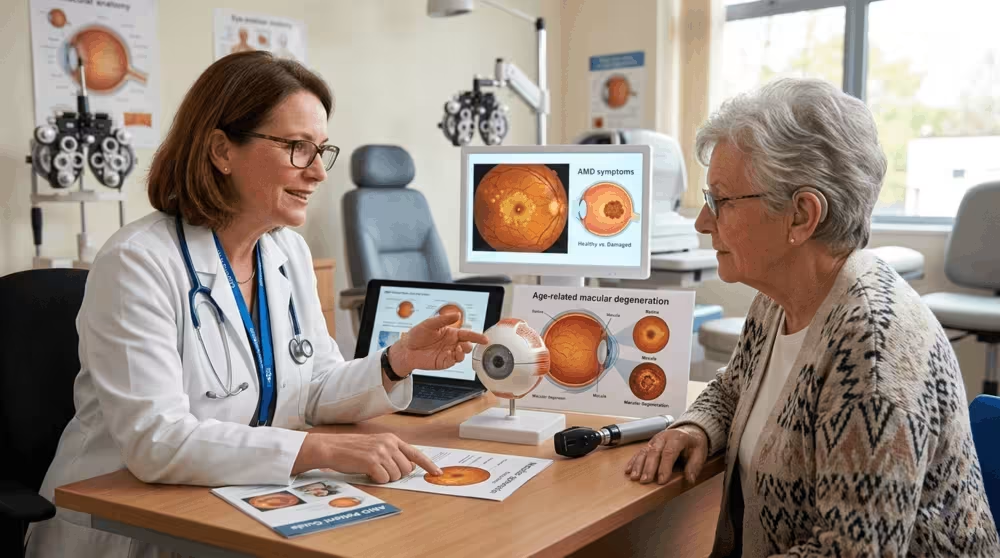
Macular degeneration – most commonly called age-related macular degeneration (AMD) – affects the macula, the central portion of the retina responsible for sharp, detailed vision. The macula is what allows us to read, recognize faces, and see fine detail.
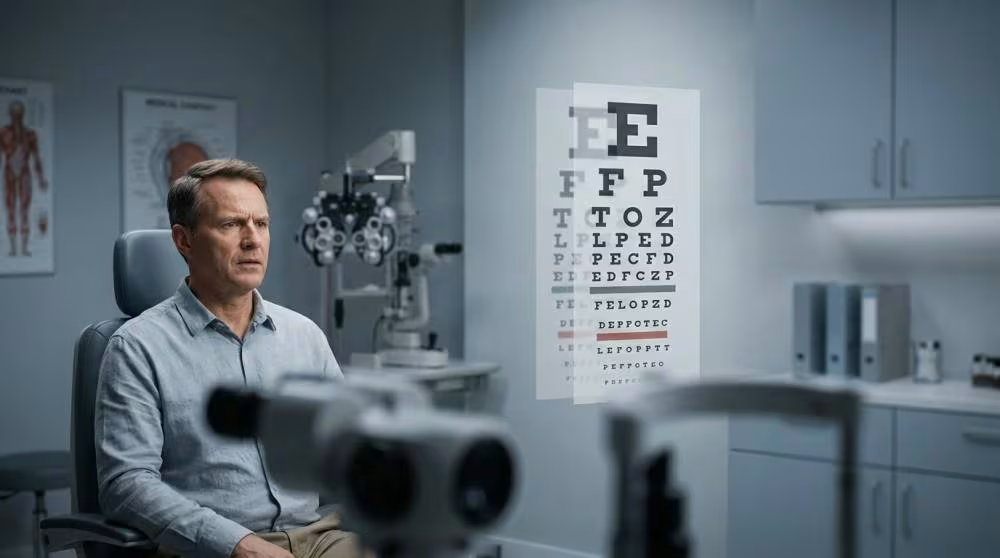
When the macula becomes damaged, central vision can become blurred or distorted. Importantly, macular degeneration does not usually cause complete blindness. Peripheral vision typically remains intact, which means patients can still navigate their surroundings.
AMD generally develops slowly over time and becomes more common with age. Risk factors include aging, genetics, smoking, cardiovascular disease, and sometimes diet.
The Two Main Types of Macular Degeneration
There are two primary forms of macular degeneration: dry AMD and wet AMD. Understanding the difference between these forms is important because the treatment approaches differ.
Dry Macular Degeneration
Dry AMD is the most common type, accounting for about 85 – 90% of cases. It develops gradually and is caused by the accumulation of small deposits called drusen beneath the retina.
Over time, the cells of the macula may become less healthy and begin to thin or degenerate. In early stages, many patients notice little or no change in vision. As the disease progresses, patients may experience:
- Mild blurring of central vision
- Difficulty reading small print
- Needing brighter light for reading
- Trouble recognizing faces at a distance
In some patients, dry AMD can progress to a more advanced form called geographic atrophy.
Geographic Atrophy
Geographic atrophy is an advanced stage of dry AMD. In this condition, patches of retinal cells gradually die off, creating areas where vision is permanently lost.
Patients with geographic atrophy may notice:
- Missing spots in central vision
- Words disappearing while reading
- Difficulty recognizing faces
- Slow worsening of central vision
The progression is typically gradual, often occurring over several years. Historically, treatment options were limited, but this has begun to change in recent years.
Wet (Exudative) Macular Degeneration

Wet AMD, also called exudative macular degeneration, is less common but more aggressive. It occurs when abnormal blood vessels grow beneath the retina. These vessels can leak fluid or blood, damaging the macula.
Wet AMD can develop suddenly and often causes rapid vision changes, including:
- Distorted vision (straight lines appearing wavy)
- Dark or blurry spots in the center of vision
- Sudden decline in reading ability
- Difficulty recognizing faces
Monitoring Symptoms at Home
Many ophthalmologists recommend that patients with macular degeneration monitor their vision using an Amsler grid, a simple chart with straight lines. If the lines begin to appear distorted, missing, or wavy, it may indicate progression to wet AMD and should prompt immediate evaluation.
Regular eye exams are also critical. Often, we can detect early changes in the retina before patients notice symptoms.
Treatments for Dry Macular Degeneration
Currently, there is no cure that reverses dry AMD, but several strategies can help slow its progression.
One of the most important treatments is nutritional supplementation. Large clinical studies called the AREDS and AREDS2 trials showed that specific vitamin combinations can reduce the risk of progression to advanced disease. These supplements typically include:
- Vitamin C
- Vitamin E
- Zinc
- Copper
- Lutein and zeaxanthin
Lifestyle factors also matter. Patients are encouraged to:
- Avoid smoking
- Maintain good cardiovascular health
- Eat a diet rich in leafy greens and fish
- Control blood pressure and cholesterol
New Treatments for Geographic Atrophy
Until recently, geographic atrophy had no treatment options. However, newer medications have been developed that can slow the progression of the disease.
These treatments involve injections into the eye that target a part of the immune system called the complement pathway, which is believed to contribute to retinal damage.
Two medications currently used include complement inhibitors that are administered monthly or every other month. These injections do not restore lost vision, but clinical studies show they can slow the expansion of atrophic areas in the retina.
For some patients, slowing progression can help preserve reading vision and maintain independence longer.
Injections for Wet (Exudative) Macular Degeneration

The most significant advancement in macular degeneration treatment has been the development of anti-VEGF injections for wet AMD.
VEGF (vascular endothelial growth factor) is a protein that stimulates the growth of abnormal blood vessels beneath the retina. Anti-VEGF medications block this signal, preventing new vessels from growing and reducing leakage from existing vessels.
These medications are delivered through intravitreal injections, meaning a small injection directly into the eye. While this may sound intimidating, the procedure is quick and performed with numbing drops so patients usually experience minimal discomfort.
Common anti-VEGF medications include drugs such as:
- Ranibizumab
- Aflibercept
- Bevacizumab
- Faricimab
Treatment usually begins with a series of monthly injections, followed by longer intervals depending on how the retina responds. Many patients require ongoing treatment to keep the disease controlled.
These medications have dramatically improved outcomes for wet AMD. Prior to anti-VEGF therapy, many patients experienced severe vision loss. Today, most patients can maintain their vision, and some even experience improvement.
What Patients Should Expect
A diagnosis of macular degeneration can feel overwhelming, but it is important to remember that the disease progresses differently in each individual. Many patients live active lives for decades after diagnosis.
The keys to managing macular degeneration include:
- Regular eye examinations
- Monitoring vision at home
- Prompt treatment if wet AMD develops
- Maintaining healthy lifestyle habits
Modern imaging technologies such as OCT scans allow ophthalmologists to detect subtle retinal changes earlier than ever before. Combined with effective treatments – especially anti-VEGF injections – we now have powerful tools to preserve vision.
Final Thoughts
In my experience as an ophthalmologist, the most important message for patients with macular degeneration is this: early detection and consistent care make a tremendous difference.
If you notice new distortion in your vision, difficulty reading, or dark spots in your central vision, it is important to seek evaluation promptly. Many of the treatments we use today work best when started early.
Although macular degeneration remains a challenging condition, advances in treatment continue to improve outcomes and give patients real hope for preserving their vision. With careful monitoring, modern therapies, and a partnership between patient and physician, we can often protect sight far longer than was possible in the past.