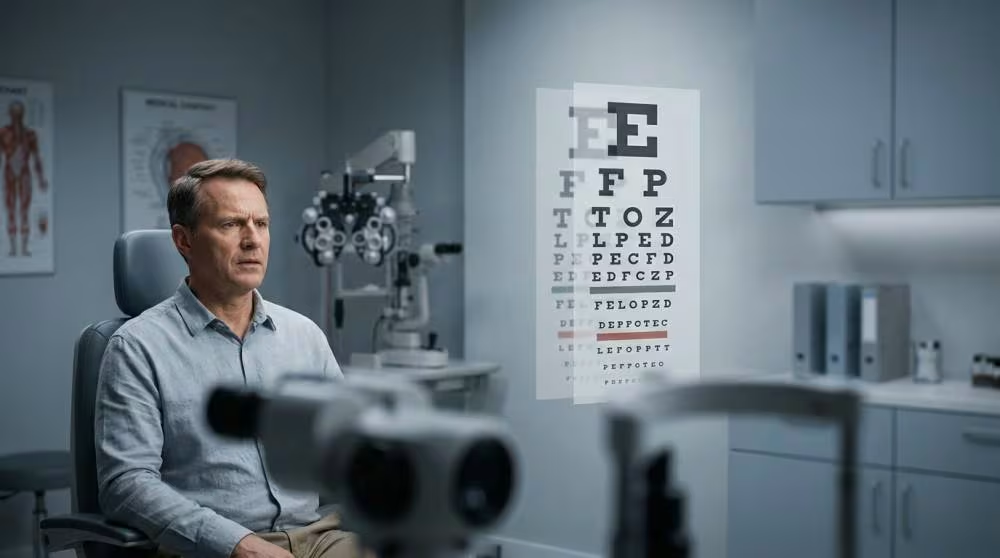


Double vision, known medically as diplopia, is a symptom that can be alarming for patients. Seeing two images of a single object can make everyday activities – reading, driving, or walking down stairs – difficult and sometimes dangerous. From an ophthalmologist’s perspective, double vision is not a diagnosis itself but rather an important symptom that helps guide us toward an underlying problem. Fortunately, many causes of double vision are treatable once properly identified.
One of the first and most important steps in evaluating double vision is determining whether it is monocular or binocular diplopia. This distinction provides critical clues about where the problem originates and how it should be treated.
Monocular Diplopia

Monocular diplopia is double vision that persists when one eye is open and the other is closed. In other words, the double vision is coming from a problem within a single eye rather than from the way the two eyes work together.
Most cases of monocular diplopia are related to problems with the optical system of the eye – the structures that focus light onto the retina. Common causes include:
- Uncorrected refractive error such as astigmatism
- Irregularities of the cornea, including conditions like Keratoconus
- Dry eye disease, which can temporarily distort the tear film
- Lens abnormalities, especially Cataract
- Scarring or irregularity of the cornea after injury or infection
The reason these conditions produce double vision is that light entering the eye is not focused into a single crisp point on the retina. Instead, the optical system creates multiple slightly offset images.
Patients with monocular diplopia often describe the second image as a shadow, ghost image, or smear rather than two completely separate objects.
Treatment of Monocular Diplopia
Because monocular diplopia usually arises from optical issues in one eye, treatment is typically directed at improving the quality of the image entering the eye. Options may include:
- Updating glasses or contact lens prescriptions
- Treating dry eye disease with artificial tears or other therapies
- Specialty contact lenses that smooth irregular corneal surfaces
- Cataract surgery if the lens has become cloudy or irregular
In most cases, monocular diplopia is not dangerous and can be effectively managed once the underlying cause is addressed.
Binocular Diplopia

Binocular diplopia occurs when double vision disappears if either eye is closed. In this case, each eye individually sees clearly, but the two eyes are not properly aligned with one another.
Under normal circumstances, the brain merges the images from the two eyes into a single picture. This process requires precise coordination of the eye muscles and nerves that control them. When this coordination breaks down, the brain receives two slightly different images that it cannot fuse together, resulting in double vision.
Binocular diplopia often appears as two clearly separated images, sometimes side-by-side and sometimes one above the other.
Common causes include:
- Eye muscle imbalance, known as strabismus
- Weakness of the eye muscles due to nerve problems
- Neurologic disorders affecting eye movement
- Trauma to the orbit or eye muscles
- Systemic diseases affecting nerves or muscles
Temporary loss of blood flow to the muscles of the eye is a common cause of diplopia. This is more commonly seen in patients with diabetes, high blood pressure, and patients who smoke. Several medical conditions are known to cause binocular diplopia. For example, Myasthenia Gravis can cause fluctuating muscle weakness that affects eye alignment. Thyroid-related eye disease, particularly Graves’ Disease, may cause inflammation and enlargement of the eye muscles, limiting their ability to move normally.
Because binocular diplopia may occasionally signal a neurologic issue, it often requires a more urgent and thorough evaluation.
How Ophthalmologists Evaluate Double Vision

When a patient presents with double vision, one of the first questions we ask is simple but very informative: Does the double vision go away when you close one eye?
If the answer is yes, the problem is binocular. If the double vision persists in one eye alone, the problem is monocular.
Beyond this initial distinction, the evaluation often includes:
- A careful eye examination
- Measurement of eye alignment and movement
- Assessment of visual acuity and refraction
- Examination of the cornea, lens, and retina
In cases of binocular diplopia, we may also evaluate the function of the cranial nerves controlling eye movements. Sometimes imaging studies such as CT or MRI scans are recommended if there is concern for neurologic disease or orbital abnormalities.
Treatment Options for Binocular Diplopiaswx
The treatment of binocular diplopia depends on the underlying cause and the severity of symptoms.
Prism Glasses
One common non-surgical treatment involves prism lenses incorporated into eyeglasses. Prisms bend light slightly so that images from each eye are redirected and aligned, allowing the brain to fuse them into a single image.
For many patients, prisms provide a simple and effective solution.
Temporary Patching
In some cases – especially when double vision develops suddenly – patching one eye can temporarily eliminate the symptom. While this does not correct the underlying alignment problem, it can provide short-term relief.
Treating the Underlying Condition
If the diplopia is caused by a systemic disease or neurologic problem, treating that underlying condition may improve eye alignment. For example:
- Better control of diabetes
- Treatment of thyroid eye disease
- Management of neuromuscular disorders such as myasthenia gravis
Eye Muscle Surgery
When double vision is persistent and related to a stable misalignment of the eyes, strabismus surgery may be recommended. This procedure adjusts the tension of the eye muscles to improve alignment.
Strabismus surgery is commonly performed in both children and adults and can be very effective in restoring single vision.
When Double Vision Requires Urgent Attention
Although many causes of double vision are relatively benign, some situations warrant prompt medical evaluation. Patients should seek urgent care if double vision occurs together with:
- Sudden onset
- Severe headache
- Neurologic symptoms such as weakness or numbness
- Drooping eyelid
- Difficulty speaking or walking
These symptoms could indicate a neurologic emergency and should be evaluated immediately.
The Importance of Proper Diagnosis
From a clinical standpoint, double vision is a symptom that requires careful attention. The key to successful treatment lies in identifying where the problem originates.
Monocular diplopia typically points toward an optical issue within the eye, often involving the cornea or lens. Binocular diplopia, on the other hand, usually indicates a misalignment of the eyes due to muscle or nerve problems.
Fortunately, modern ophthalmology offers a wide range of tools to diagnose and treat these conditions. In many cases, double vision can be significantly improved – or even completely resolved – with the appropriate therapy.
Final Thoughts
Experiencing double vision can be unsettling, but it is important to remember that many causes are manageable once properly diagnosed. If you notice persistent or sudden double vision, the most important step is to seek evaluation by an eye care professional.
A careful examination can determine whether the issue is monocular or binocular and guide the next steps in treatment. With accurate diagnosis and appropriate care, most patients can return to comfortable, single vision and resume their normal daily activities with confidence.